In 1906, Local 1 in Indianapolis, Indiana, received the first clerical federal charter issued by the AFL (American Federation of Labor) representing a union for Stenographers, Typists, Bookkeepers and Assistants. Not until the Wagner Act of 1935, however, did organizing of office workers gain momentum. This critical legislation, which gave workers collective bargaining and organizing rights, propelled thousands of clerical employees into action. Dozens of clerical union charters were formed during this time.
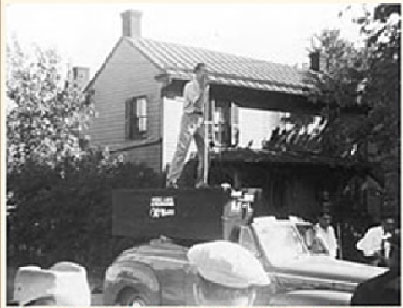
The first OPEIU Director of Organizing,
Henderson B. Douglas, “on the stump”
organizing for the union in 1941.
In 1936, Mollie Levitas presented the first resolution calling for an international union of office workers at the AFL convention in Tampa, Florida. Nine years later the AFL issued a charter to the Office Employees International Union (OEIU), with 22,000 members strong, at a convention in Cincinnati, Ohio.

An OPEIU member in the 1950s.
Ten years after the AFL merged with the CIO (Congress of Industrial Organizations) at the AFL-CIO’s 10th convention in San Francisco in 1965, our union changed its name to the Office and Professional Employees International
OPEIU reached a landmark of 110,000 members in the United States in 2010 and continues to grow through organizing new members around the United States, Canada and Puerto Rico.
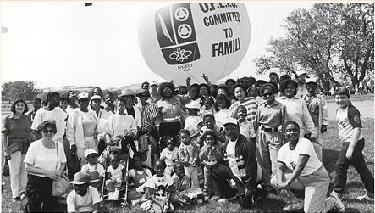
OPEIU members and their families at Family Day in Washington, D.C., in 1981. More than 450,000 people participated that year.
We represent employees and independent contractors in banking and credit unions, insurance, higher education, shipping, hospitals, medical clinics, utilities, transportation, hotels, administrative offices and more. Professional organizations and Guilds affiliated with OPEIU are a diverse group that includes podiatrists, nurses, teachers, and helicopter pilots.
Paul Hutchings
OPEIU’s First President
1945-1953
J. Howard Hicks
OPEIU’s First Secretary-Treasurer
1945-1973
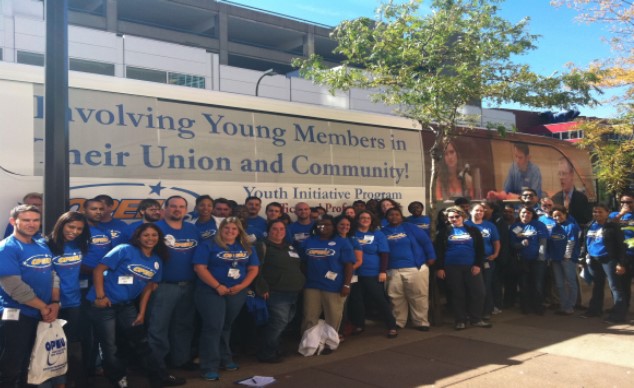
Approximately 100 OPEIU members aged 35 and under attended the AFL-CIO’s Next Up Summit in Minneapolis, Minnesota, on September 28-October 2, 2011. They are pictured with OPEIU’s
Rising Stars bus.
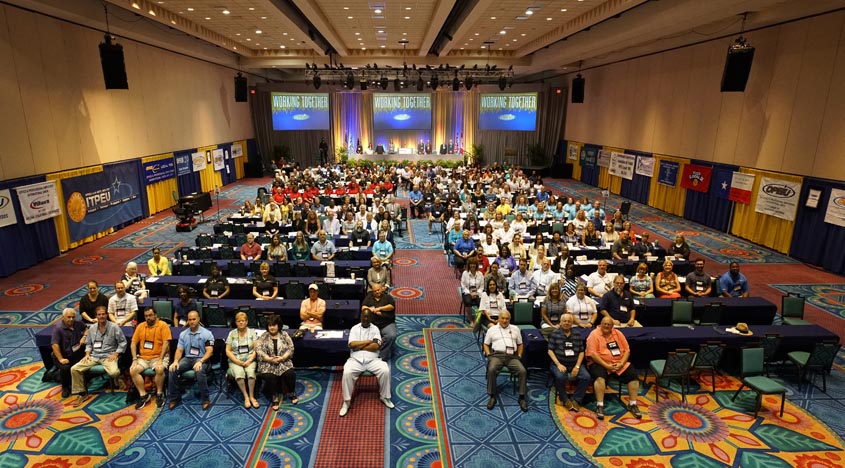
Delegates to the 2016 OPEIU Convention in Orlando, Florida.
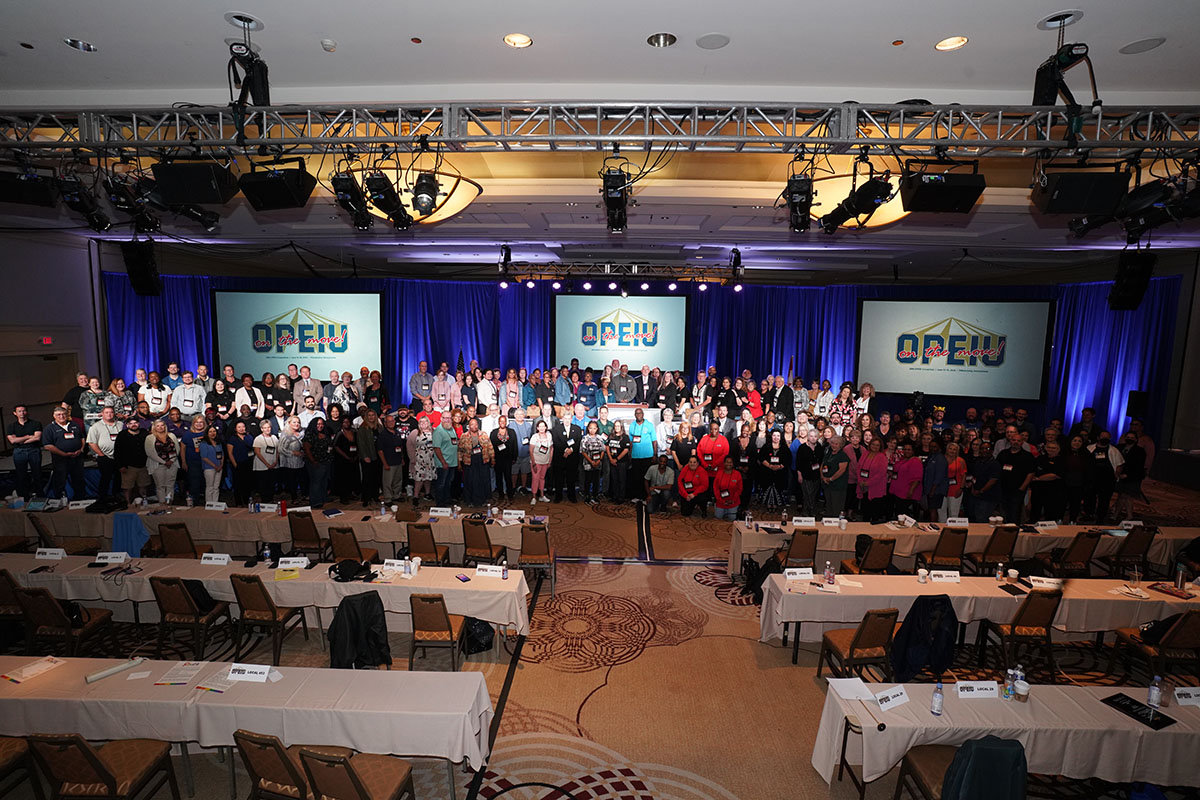
Delegates to the 2023 Convention in Philadelphia, Pennsylvania
Tyler Turner
International President
Feb 2025 - Present
Mary Mahoney
Secretary-Treasurer
January 2010-Present
Visit opeiu.org for more information and like us on Facebook at
Facebook.com/opeiu. Follow us on
Twitter @opeiu.